
April 2026 MA Muni Minute

Massachusetts municipalities continue to navigate a rapidly evolving energy landscape driven by regulatory changes, infrastructure constraints, and ongoing market volatility. Over the past year, two major "Change in Law" events Day-Ahead Ancillary Services (DAAS) and increased natural gas pipeline capacity costs have had a direct impact on municipal energy budgets.
The introduction of DAAS in 2025 fundamentally changed how grid reliability services are priced, shifting procurement into a day-ahead market structure. At the same time, new natural gas regulations increased supplier costs tied to pipeline capacity, leading to additional pass-through charges even on fixed-rate contracts.
Despite these headwinds, municipalities working with Freedom Energy Logistics continue to see strong results. In 2025 alone, Freedom's municipal clients achieved nearly $7.9 million in savings compared to utility rates while benefiting from proactive procurement strategies, contract flexibility, and ongoing account management.
As markets remain uncertain, strategic planning, early procurement visibility, and active contract management remain critical to protecting municipal budgets.
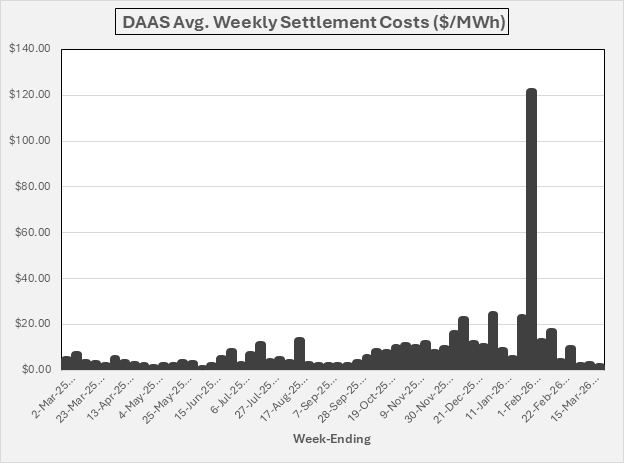
Day-Ahead Ancillary Services (DAAS) has quickly become one of the most significant cost drivers impacting electricity rates across New England. Designed to ensure grid reliability by securing reserves ahead of real-time demand, DAAS plays an essential role but at a rapidly increasing cost.
Initial projections estimated annual DAAS costs at approximately $104 million, yet actual costs exceeded $920 million within the first 11 months, highlighting a substantial gap between expectations and reality.
As suppliers absorb these higher wholesale costs, many have passed them through to customers or adjusted pricing structures to reflect increased volatility. For municipalities, the impact often depends on contract timing and language:
- Pre-2024 contracts may qualify DAAS as a "change in law" event
- Mid-transition contracts may require clarification on pricing assumptions
- Post-implementation contracts may already include these costs
Understanding your contract structure is critical. In many cases, municipalities may have opportunities to review or challenge how these charges are applied. If you have questions about DAAS, please contact us.
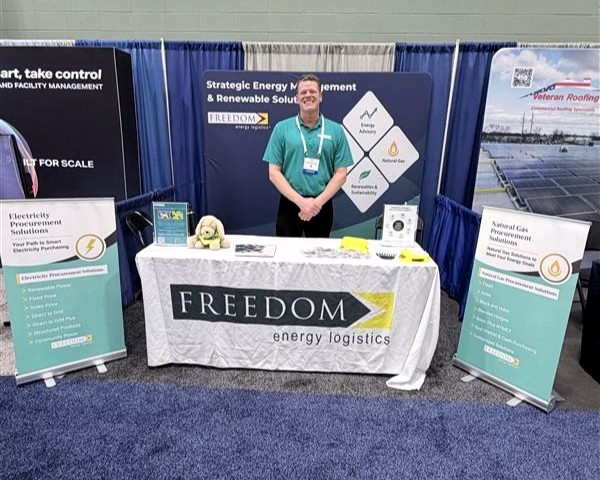
Freedom Energy Logistics recently participated in the NEBFM (Northeast Buildings & Facilities Management) event, engaging with municipal leaders, facility managers, and energy decision-makers from across Massachusetts and the broader New England region.
The event provided valuable opportunities to discuss key challenges facing municipalities today, including rising energy costs, infrastructure constraints, and evolving sustainability goals. Conversations centered around practical strategies such as procurement planning, demand-side management, and renewable integration.
Events like NEBFM continue to reinforce the importance of collaboration and knowledge sharing as municipalities adapt to a more complex and dynamic energy environment.
Freedom Energy's Municipal Program Director, Brian White, attended the NEBFM conference, where he spoke with many attendees about recent energy challenges. If you didn't connect with him there, feel free to reach out to him directly.

As electricity demand continues to rise, driven by electrification and increased grid reliance, maintaining system reliability has become more challenging. Demand Response programs offer municipalities and businesses a practical way to both support the grid and reduce costs.
These programs incentivize participants to reduce electricity usage during peak demand periods. Participation is performance-based, meaning organizations are compensated based on how much load they can curtail without upfront costs.
For municipalities, the benefits are twofold:
- Direct financial incentives for reducing consumption during peak events
- Lower long-term capacity costs, which are tied to peak demand usage
With capacity prices rising sharply in recent years, even modest reductions in peak demand can translate into meaningful savings. Demand Response also supports broader grid stability, helping avoid system strain during high-demand periods.

Commercial electricity costs across the eastern United States, including Massachusetts continue to trend upward, outpacing general inflation and creating new budget challenges for municipalities and organizations alike.
While data center growth is often cited as a primary driver, the reality is more complex. Key factors contributing to rising costs include:
- Grid infrastructure upgrades
- Equipment and material shortages (e.g., transformers)
- Increased demand across sectors
- Supply chain constraints and extended lead times
In fact, electricity price increases have been nearly doubled the rate of inflation between 2022–2025, signaling a structural shift rather than a temporary spike.
This environment is changing how municipalities approach energy strategy. Investments in energy efficiency, onsite generation, and storage were once seen as long-term sustainability initiatives are now increasingly viewed as cost-control strategies.
Inc. Names Freedom Energy Logistics to its 2026 List of America’s Fastest-Growing Private Companies in the Northeast
Freedom Energy Logistics has been recognized by Inc. as one of the fastest-growing private companies in the Northeast, ranking No. 98 on the 2026 Inc. Regionals list.
This recognition reflects the company's continued growth, innovation, and commitment to helping clients navigate complex energy markets. The ranking highlights companies that have demonstrated strong revenue growth, resilience, and job creation across the region.
Between 2022 and 2024, companies on the list achieved a median growth rate of 73%, underscoring the significance of this achievement.
For Freedom Energy, this milestone reinforces its mission to deliver strategic, forward-thinking energy solutions that help municipalities and organizations achieve greater cost stability and long-term success.






Connect With Us