
June 2026 MA Muni Minute
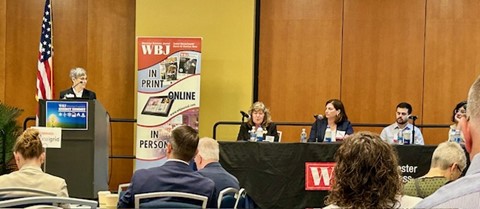
Freedom Energy Logistics is sponsoring the upcoming WBJ Energy Summit on June 16, connecting with regional leaders to discuss energy market trends, infrastructure challenges, and sustainability efforts.
Our VP of Sales, Carol Anne Watts, will be speaking on the first panel, sharing insights on Energy Strategy as a Business Advantage: From Cost Center to Value Driver. She'll highlight key themes including market trends shaping business decisions, financial strategies such as demand management and procurement planning, and the growing importance of proactive energy leadership.
Be sure to stop by our booth to meet Brian White, Municipal Program Director, and learn how Freedom Energy can support your energy goals and sustainability objectives.
Freedom Energy is also offering complimentary tickets to municipal clients and partners interested in attending. Contact our team to reserve your spot.

Freedom Energy Logistics’ VP of Sales, Carol Anne Watts, joined NECA’s Retail Markets Committee and presented an engaging webinar on the fundamentals of retail electricity markets.
Industry leaders addressed current market dynamics, explored challenges across both residential/mass markets and business/C&I segments, and shared practical insights on today’s evolving retail landscape.
The NECA presentation highlighted evolving market conditions, including volatility driven by load growth, electrification, and renewable integration. Proactive procurement strategies were emphasized as key to managing costs.
The program concluded with an interactive panel discussion and audience Q&A, offering valuable perspectives on the Northeast’s rapidly changing electric supply marketplace.
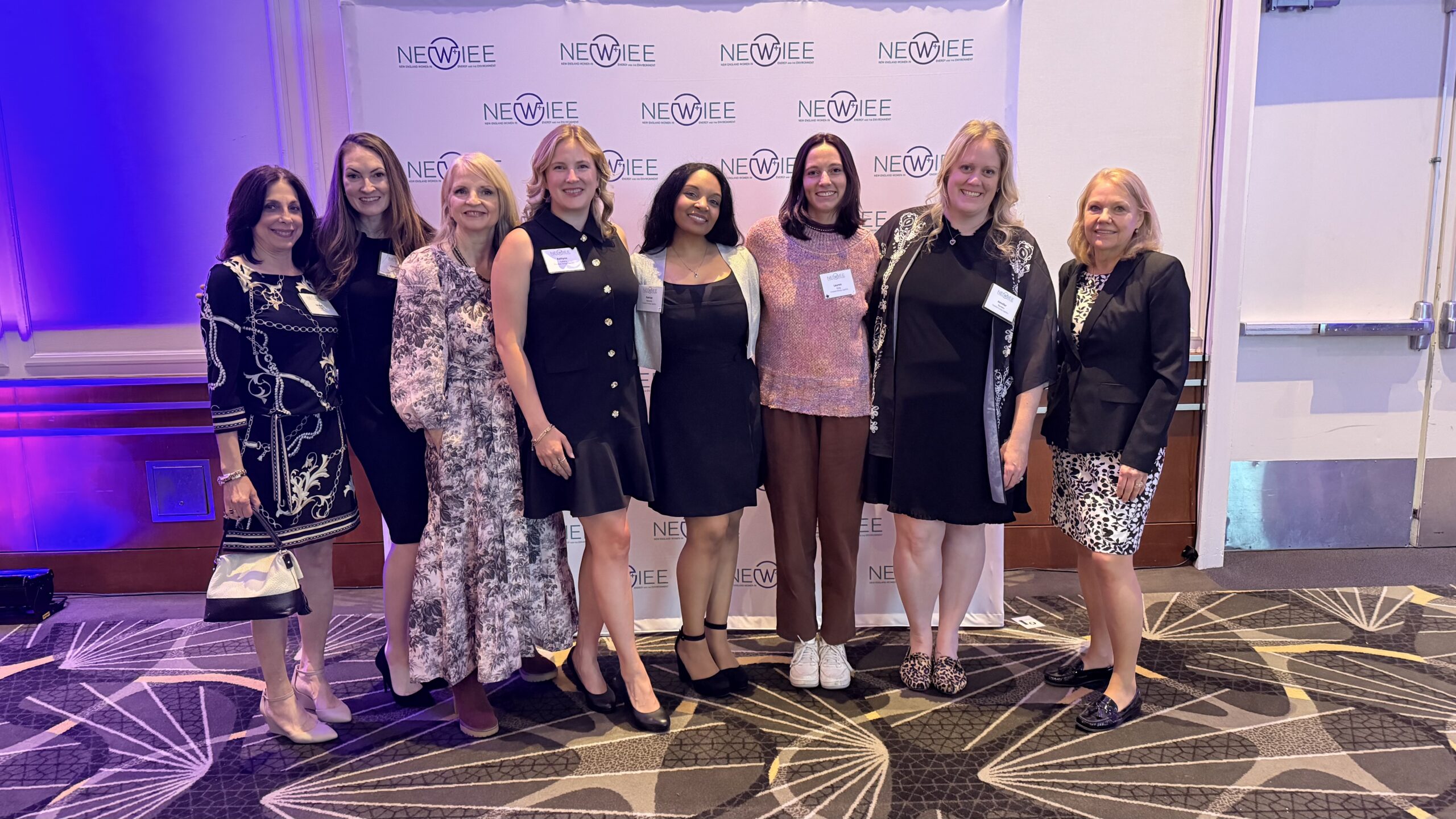
The New England Women in Energy and the Environment (NEWIEE) annual gala event was held in Boston last month bringing together more than 600 NEWIEE members, energy leaders and business professionals from across the Northeast.
The Freedom Energy team enjoyed an inspiring evening celebrating the extraordinary leadership and professional commitment from across the industry. The evening started with networking opportunities including intriguing industry, regulatory and policy updates, and discussions about grid modernization in the Northeast.
FERC Commissioner Judy Chang delivered an engaging keynote, sharing compelling industry and personal career insights. After dinner, this year’s Leadership and Rising Star Awards were announced. Maria Gulluni was honored with the Leadership Award for her significant industry contributions, and Alexis Washburn was named a Rising Star. It was an encouraging evening marked by commitment and celebration, highlighting emerging policy, strengthened by cross-sector collaboration, and a forward-looking view of the innovation shaping our region’s future.
Check out the LinkedIn post

Renewable energy continues to play an increasingly important role in how municipalities manage long-term energy costs, sustainability goals, and operational resilience. As energy markets remain volatile and regulatory expectations evolve, many communities are evaluating how renewable strategies can provide both financial and environmental value.
Freedom Energy provides independent, data-driven advisory support to help municipalities navigate solutions including Solar Assets, Renewable Energy Credits (RECs), Power Purchase Agreements (PPAs), Community Solar and Virtual Net Metering Programs, and Battery Storage options. These solutions can be tailored to align with budget constraints, facility needs, and emissions reduction goals—some without requiring significant upfront infrastructure investments.
Beyond supporting sustainability initiatives, renewable strategies can help municipalities:
- Stabilize energy costs over the long term
- Take advantage of available state and utility incentives
- Support Scope 2 emissions reduction goals
- Improve resiliency when paired with storage or demand-side solutions
Contact our team to schedule a free renewable energy assessment and explore opportunities specific to your municipality.

As we enter the summer season, the Annual System Peak remains one of the most important drivers of long-term electricity costs in New England. The peak represents the single highest hour of electricity demand in the region, and each account’s usage during that hour determines its Capacity Tag for the following year.
In recent years, peak timing has shifted later in the day—typically between 5:00 and 6:00 pm—due to the growing contribution of behind-the-meter solar generation reducing midday demand.
Freedom Energy’s Peak Notification Program helps clients prepare and respond by:
- Providing early alerts when conditions suggest a potential peak
- Sending day-of confirmation notices with recommended curtailment times
- Delivering post-event analysis to evaluate performance
Reducing electricity usage during the peak window can directly lower future capacity costs, which are a significant component of overall electricity rates. For municipalities, even modest curtailment can translate into meaningful long-term savings.
If you would like to join the ISO-NE Peak Notification Program and receive curtailment notifications, you can sign-up for email and text messaging here.

Global energy markets are expected to be influenced by the return of El Niño, a climate pattern that can significantly affect temperature, precipitation, and energy demand across regions.
El Niño events typically bring higher temperatures and increased cooling demand, particularly in parts of Asia, while also disrupting hydropower generation due to drought conditions. This combination can drive higher reliance on natural gas and other fuels, increasing overall energy demand and price volatility.
Recent WSJ Climate & Energy reporting highlights that increased demand for liquefied natural gas (LNG) in Asia could reduce available supply for Europe, tightening global markets overall and contributing to upward pricing pressure. Additionally, extreme weather conditions tied to El Niño are expected to act as a “risk multiplier,” amplifying already elevated volatility in energy systems.
For municipalities, these global dynamics reinforce the importance of:
- Working with an energy advisory that has a constant pulse on the energy markets
- Monitoring market trends
- Incorporating flexibility into procurement strategies, reviewing contracts long before due, and considering longer-term contracts
- Exploring demand response and renewable solutions to reduce exposure

Energy storage continues to emerge as a critical component of the evolving energy landscape. In the first quarter of 2026 alone, the U.S. deployed 9.7 GWh of battery storage capacity, representing a 32% increase year-over-year.
This rapid growth is being driven by several factors, including rising electricity demand, increased renewable integration, and the need for greater grid reliability. Data Centers, in particular, are playing an increasing role in accelerating storage adoption due to their high and variable energy requirements.
Massachusetts remains a key participant in this trend. The state has established energy storage targets and continues to prioritize battery solutions as part of a broader strategy to improve grid stability and reduce costs. Additionally, Governor Healey's recent directive includes expanding both renewable generation and storage capacity to support long-term energy affordability and reliability.
Energy storage provides municipalities with multiple benefits:
- Backup power during outages
- Peak demand management
- Enhanced integration of renewable energy sources
- Greater control over energy usage and costs
- Better resiliency and power options

The Massachusetts Department of Energy Resources (DOER) continues to offer a range of funding opportunities through its Green Communities program, supporting municipalities in advancing energy efficiency and decarbonization initiatives.
Recent announcements highlight multiple opportunities, including:
- Municipal Energy Technical Assistance (META) programs
- Climate Leader certification and grant funding
- Decarbonization planning assistance
- School and regional climate-focused grants
These programs are designed to help municipalities improve infrastructure, reduce emissions, and strengthen long-term energy planning capabilities. Given the range of deadlines throughout the summer and fall, early engagement is critical to maximizing participation.

Electric vehicle infrastructure continues to expand across Massachusetts, supported by both utility programs and state-led initiatives. Programs offered by utilities such as National Grid can cover a significant portion—often up to 100%—of the electrical infrastructure costs required for EV charger installation.
Municipalities can leverage these programs to:
- Electrify municipal fleets
- Provide public charging access
- Reduce long-term transportation fuel costs
- Support broader climate and sustainability commitments
In addition, new procurement pathways are making it easier for municipalities to combine vehicle and infrastructure purchases into a single process, simplifying implementation.

Massachusetts is advancing efforts to transition school transportation to electric fleets through targeted planning programs. Did you know that The Massachusetts Clean Energy Center is currently offering no-cost consulting services (valued up to $50,000) to help school districts evaluate and plan electrification strategies.
These programs provide:
- Fleet operation analysis
- Charging infrastructure assessments
- Cost and emissions projections
- Long-term transition roadmaps
With limited program availability, municipalities are encouraged to explore participation early, particularly as electrification planning becomes increasingly important for long-term budgeting and sustainability goals.

Recognizing Earth Day this year, Freedom Energy team members demonstrated their commitment to sustainability through a community-focused initiative at Hopkinton State Park. Team members participated in a trail clean-up effort, removing litter, restoring pathways, and helping preserve a key recreational area in the region.
This is just one example, but these efforts reflect Freedom's broader mission of supporting environmental responsibility—not only through client solutions but also giving back and through meaningful local engagement.

ISO New England (ISO-NE) has indicated that the region is well positioned to meet electricity demand this summer, even during periods of extreme heat. Available resources are expected to exceed projected peak demand, supported by a diverse mix of generation sources, imports, and demand-side programs.
Key developments include:
- Continued growth in solar and battery storage
- New transmission and offshore wind resources
- Improved forecasting and grid coordination
Together, these factors contribute to enhanced system reliability while supporting the region's transition toward a cleaner and more flexible energy mix.

Renewable Energy Credits (RECs) continue to play a key role in helping municipalities meet sustainability and emissions reduction goals—without requiring onsite infrastructure or capital investment. Each REC represents one megawatt-hour (MWh) of renewable electricity delivered to the grid, allowing organizations to support clean energy generation through procurement strategies rather than physical projects.
For municipalities navigating evolving regulatory requirements and budget constraints, RECs provide a flexible option to align energy purchasing decisions with environmental objectives.
Key Considerations for Municipal Buyers
- Market dynamics: REC pricing can vary significantly based on region, supply, and compliance requirements, making timing and sourcing strategy important.
- Compliance requirements: RECs can be used to meet state renewable portfolio standards (RPS) and other regulatory mandates.
- Emissions tracking: RECs support Scope 2 emissions reporting and broader ESG goals.
- Portfolio integration: RECs can complement community solar, PPAs, and other renewable strategies as part of a balanced energy plan.
As environmental credit markets continue to evolve, municipalities benefit from a strategic approach to evaluating REC procurement, pricing, and long-term positioning. Click here to read more.






Connect With Us