
July 2026 NH Muni Minute

New England experienced its highest electricity demand of the summer on July 2, 2026, when regional load reached more than 25,300 MW during a prolonged heat wave. As temperatures climbed across the region, utilities and grid operators closely monitored conditions to maintain reliability.
Freedom Energy Logistics issued its first curtailment notification of the season as forecasts indicated the potential for an annual peak demand event. These notifications help organizations identify opportunities to reduce electricity consumption during critical periods, which can lower future capacity costs and support grid reliability.
For New Hampshire municipalities, peak alerts are a practical reminder that energy strategy is not limited to procurement. Operational decisions during high-demand hours can influence future energy expenses and contribute to a more reliable regional grid.
While extreme heat and changing load patterns continue to place pressure on New England’s power system, proactive energy management remains one of the most effective tools available to public-sector organizations seeking to control long-term energy costs.
Sign up for ISO NE Peak Notifications

Freedom Energy Logistics CEO Bart Fromuth recently appeared on Business NH Magazine’s BizCastNH to discuss his journey in the energy sector, the evolution of Freedom Energy, and the challenges facing energy buyers across New Hampshire and the broader New England region.
In the conversation, Bart shared perspective on how Freedom Energy helps municipalities, businesses, and organizations navigate one of the country’s most complex and costly energy markets. He discussed why electricity prices remain elevated in New England and how regional factors have shaped the market over the last six years.
A significant portion of the conversation also focused on Community Choice Aggregation (CCA) programs and the opportunities they create for municipalities seeking greater control over energy procurement. Bart discussed how CCAs can help communities leverage collective buying power, increase budget predictability, and pursue local sustainability goals while maintaining reliable energy service. The discussion highlights the growing role of municipal aggregation programs across New England and reinforces the importance of informed energy planning for local governments.
The interview also highlighted Freedom Energy’s role as an advisory partner for organizations seeking clearer procurement strategies, better risk management, and more informed energy decisions in a volatile market environment.
For municipal leaders, the discussion offers a timely look at why energy planning has become increasingly important as communities balance budgets, sustainability goals, and long-term cost pressures.
Listen to the podcast: click here

New Hampshire municipalities received a significant renewable energy boost on July 10, 2026, when Governor Kelly Ayotte signed Senate Bill 538 (SB 538) into law.
The legislation extends long-term net metering eligibility for qualifying municipal energy projects and addresses interconnection delays that have slowed project development across the state. The law builds upon previous legislation that expanded group net metering opportunities for municipalities, helping ensure that projects already in development can continue moving forward despite administrative and utility interconnection challenges.
Effective September 8, 2026, SB 538 provides municipalities with greater regulatory certainty when evaluating solar and distributed energy investments. The legislation creates a clearer pathway for renewable energy projects to move from development to operation, helping communities capture long-term energy savings while supporting local sustainability initiatives.
Potential benefits for municipalities include:
- Greater certainty for future solar and renewable energy projects
- Continued access to net metering compensation mechanisms
- Long-term opportunities to reduce municipal energy costs
- Support for local clean energy and sustainability goals
- Improved ability to advance projects facing interconnection delays
For municipalities evaluating renewable energy opportunities, SB 538 represents an important step toward expanding access to cost-effective clean energy resources throughout New Hampshire.
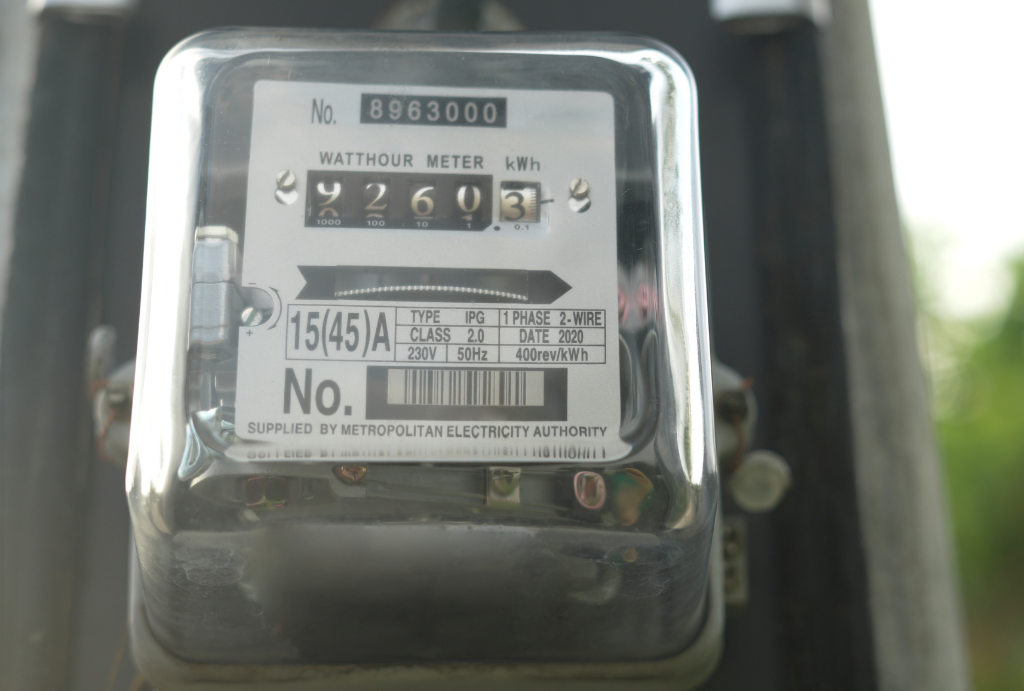
Virtual Net Metering (VNM) provides municipalities with an opportunity to benefit from renewable energy projects without installing solar panels or generation assets at their own facilities.
Through VNM, electricity generated at an off-site renewable energy project is allocated to participating organizations in the form of utility bill credits. These credits can help offset electricity expenses while supporting renewable energy development across the region.
VNM can be especially helpful for municipalities with limited rooftop space, unsuitable facility conditions, or competing capital priorities. Instead of owning or maintaining a renewable energy system onsite, participating organizations can receive the financial benefit of renewable generation through their electric bills.
For communities evaluating both cost savings and sustainability goals, Virtual Net Metering can offer a practical pathway to participating in clean energy while maintaining day-to-day operations as usual.
- No onsite installation requirement for participating accounts
- Utility bill credits that may help reduce electricity costs
- Support for renewable energy development and sustainability goals
- Minimal operational disruption or maintenance responsibility
- Potential suitability for municipalities, schools, and public-sector facilities
Learn more about Freedom Energy's Virtual Net Metering support. View Virtual Net Metering information

The natural gas marketplace has been trading within a band of $2.80 and $3.00 over the course of the summer months. The ceiling of $3.00 for the August future is due to strong storage volumes which have kept the bulls at bay from running with weather related demand. During the summer, this demand is a power-burn demand as opposed to winter months which is for thermal heat. Another short-term influence on the summer marketplace is that there have been lower than historical LNG feed gas volumes heading to the LNG export terminals. Specifically, Freeport has been doing some unplanned maintenance work which has helped in volumes heading to storage.
Domestic production has stayed strong through the summer months, but with impending LNG export expansion, as well as AI Data Center demand coming down the pipe, there is a lot of talk about shortages starting in 2027, and 2028. Production is going to need to increase by 5 Bcf / day to meet expected demand from 2027 through 2030.
As we are in the start of tropical storm and hurricane season, a sharp eye is going to be on the gulf and the amount of infrastructure that exists around and on it. The EIA has adjusted their market forecasts for 2027 and 2028, and both years are showing a sharp expected pricing increase for NG futures. End-of-summer weather, as well as storms, could push the current inventory surplus to turn negative going into fall, which the bulls are hoping for. On the bearish front, the surplus in storage should be able to keep the market balanced and trading within the current band going into cooler months of the year.

Members of the New Hampshire chapter of New England Women in Energy and the Environment (NEWIEE) recently toured Sprague Operating Resources’ terminal operations in Newington, NH.
Participants received a behind-the-scenes look at terminal operations and learned more about how innovation and sustainability are continuing to shape the energy industry. The event also provided an opportunity for energy professionals to connect with fellow members and strengthen regional industry relationships.
The tour highlighted the important role that energy infrastructure plays in supporting reliability, logistics, and economic activity across New England.

As part of Freedom Energy Logistics' ongoing commitment to giving back, members of the Freedom Energy team recently volunteered at the Seacoast Science Center in Rye, NH.
The team spent the day assisting with facility improvements, including painting new structures and refreshing kayak trailers used by visitors and educational programs. The volunteer effort supported the Center's work in coastal conservation, environmental education, and stewardship of New Hampshire's shoreline resources.
Community partnerships like these reflect the importance of supporting organizations that protect and preserve the natural spaces that serve New Hampshire residents, businesses, and municipalities.
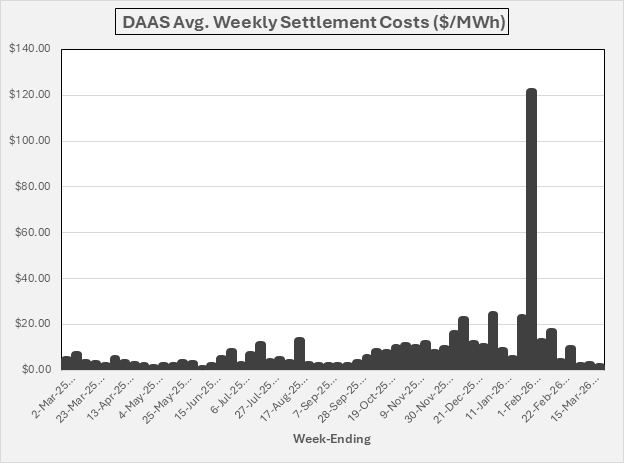
The Day-Ahead Ancillary Services Initiative (DASI) is an ISO New England market program designed to procure reserve resources that help maintain grid reliability.
Since implementation, DASI-related charges have been higher than originally projected, increasing costs for many electricity consumers across the region. Regulators, suppliers, and ISO-NE stakeholders continue evaluating potential adjustments to the market design while discussions remain underway.
For municipalities and public-sector organizations, understanding DASI is becoming increasingly important because ancillary service costs represent a growing component of overall electricity pricing. Even when these charges are not always visible in simple budget summaries, they can affect the total cost of electricity service across New England.
Read the DASI article for more background on the impact of ancillary service costs or contact Freedom Energy Logistics with questions regarding DASI-related charges and supplier bill impacts. Our team has helped clients identify and resolve ancillary service billing issues and better understand evolving ISO New England market charges.

Periods of extreme weather often create significant strain on regional electric grids. During these times, electricity demand can rise quickly as cooling or heating systems operate at elevated levels.
By temporarily reducing non-essential electricity use during peak events, organizations may be able to lower future capacity expenses, support grid reliability, and strengthen their overall energy-management strategy.
Municipal facilities, schools, water systems, and public buildings may be well-positioned to participate through operational adjustments, load shifting, or advance planning around high-demand windows. This will:
- Lower future capacity-related expenses where applicable
- Improve grid reliability during high-demand periods
- Support broader energy resilience and sustainability objectives
- Create a more proactive approach to energy operations






Connect With Us