
Electricity Affordability-Surging prices impact on the economy
Rising electricity prices are outpacing inflation due to increasing demand, infrastructure constraints, and evolving energy market dynamics, signaling higher costs and potential reliability challenges before long-term stability improves.
Authored by Dileep Prabhakar | Regional Sales Manager
Electricity Affordability-Surging prices impact on the economy
Energy, particularly electricity is a commodity that has been rising sharply post Covid. Higher than inflation.
Electricity Rates from 2000 to pre-covid have fluctuated for the most part with the price of natural gas futures, as natural gas is the primary source to generate electricity. As natural gas plants became more efficient (the Heat Rate) electricity prices tracked slightly lower to natural gas futures over time. That dynamic is shifting for many reasons.
The Shale Revolution
The U.S. Shale industry fundamentally changed how natural gas and oil prices have shifted the last 15 years, and they are still evolving. There has been upward pressure on both commodities, but the U.S. is far more insulated from natural gas prices than oil. Natural gas is abundant in the United States, and the country is a major exporter. Export capacity continues to expand, and in recent years increased liquefied natural gas export capacity has helped absorb excess supply. As a result, natural gas prices have been more stable, avoiding the extreme swings and producer driller bankruptcies seen in the past.
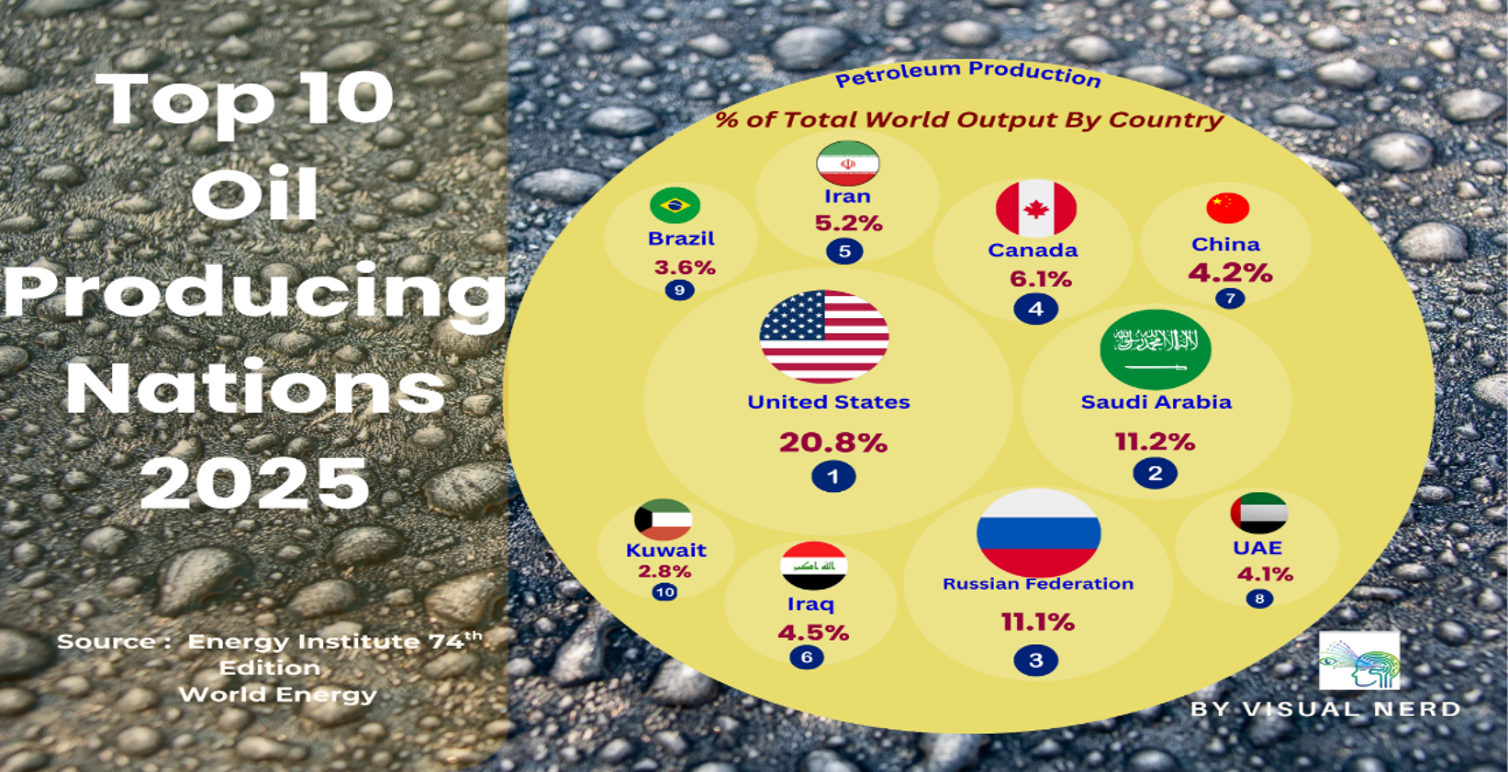
Shale drilling produces oil as well. It is the more profitable commodity. Even though the U.S. is the world’s top producer of oil per Figure 1, the country is still a net importer of oil.
Because the U.S. is a net importer, Gasoline (an oil product) prices at the pump are up 40% since the Iran war and the closing of the Strait of Hormuz per Figure 2.
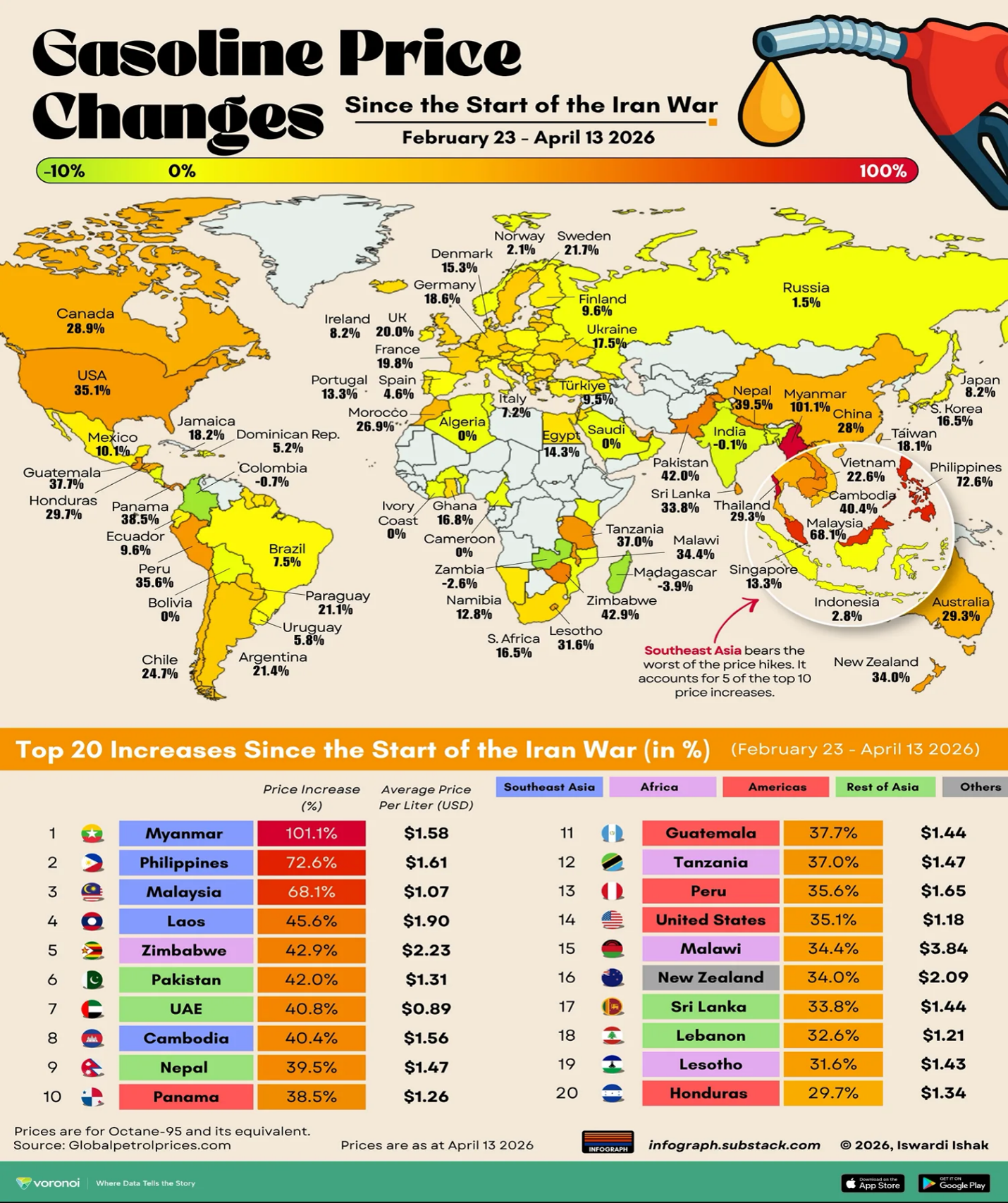
Figure 2 does show how countries with no domestic oil supply-particularly some Southeast Asian countries have seen much sharper rises.
Oil does have a role in electricity production particularly in New England winters that could be crippling the region next winter if oil prices stay in the current range.
Electricity Affordability
Commodity prices do have an ebb and flow, but getting to electricity affordability is a separate problem from oil and natural gas affordability.
Electricity demand is set to increase at a much faster pace than any of the commodities that generate it (coal, oil, natural gas, uranium (nuclear), solar, wind and water). Reasons from electrification, the data center boom, and climate change are drivers. Aging transmission lines are less efficient and have more losses adding load.
For electricity to stop rising faster than inflation long term, prices are going to have to go higher in the short term. Higher prices in theory will send the signal for generators to build more supply. Adding generation though takes several years and is lagging the pace of demand. Material Costs to build the plants are rising as are land acquisition and permitting costs. Interconnection processes can take years in some areas.
Don’t forget about Transmission
Meeting future electricity needs will require more than new generation. It will require transmission upgrades, which add significant costs. The existing grid is already aging and needs investment even without additional generation. Expanding transmission for future demand will also require more land, permitting, and funding.
The bottom line is that electricity is going to get worse (higher prices, less reliability), before it gets better (stable prices, more grid resiliency).
Electricity is an indispensable part of our lives
Electricity is a commodity we all use. Most people never think about electricity in the U.S. They just flip a switch, and it comes on. Other places in the world should be so lucky. Without reliable electricity supply and stable prices, the economy cannot function effectively. That is why affordability is becoming a central issue, including whether data centers should pay for the infrastructure they require or whether those costs should be shared among all ratepayers.
The speed at which we add new generation is hampered by the cost. Costs are going to go higher, to meet the insatiable demand of electricity. Businesses should plan and budget for higher electricity costs and consider looking into long-term agreements. If you need support with long-term planning, feel free to reach out. If you have backup generation, ensure it can handle more frequent outages in the future.
Meet the Writer

Dileep Prabhakar
Freedom Energy Logistics
Regional Sales Director
Dileep Prabhakar, a Regional Sales Director at Freedom Energy since 2022, brings over 30 years of engineering and energy experience to his role. He has advocated for municipalities, school districts, and commercial and industrial customers, managing their energy procurement and sustainability initiatives while optimizing their energy spending and achieving decarbonization goals.







Connect With Us